
BLOGS
How to Evaluate a Property Before Booking: 15 Things to Check
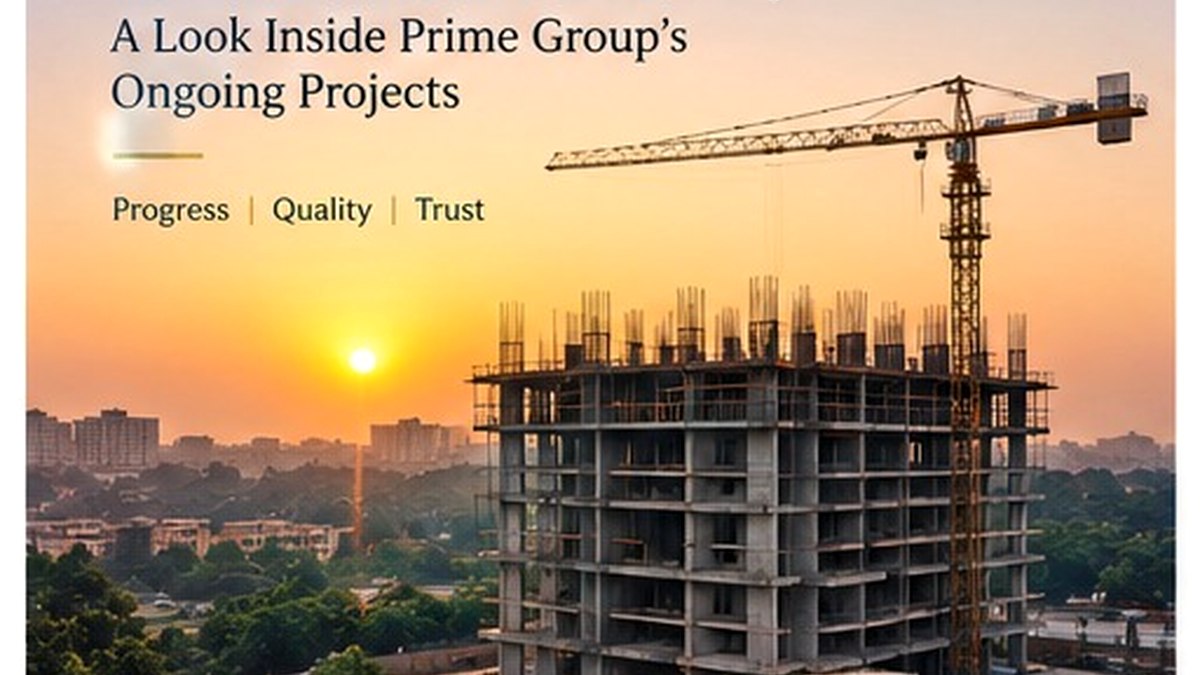
Buying property is one of the largest financial commitments most people make. Yet it is surprisingly easy to decide based on a beautiful sample apartment, an attractive brochure, a limited-time offer, or an impressive list of amenities.
A property may look perfect during a site visit, but that doesn't necessarily mean it's right for you.
Before paying a booking amount, you need to evaluate much more than the apartment itself.
You should understand the project’s legal status, developer’s track record, total cost, location, connectivity, construction quality, floor plan, amenities, maintenance, financing, future development, rental potential, and resale prospects.
The objective is simple:
Do your research before your money becomes committed.
A systematic property evaluation can help you compare projects objectively and reduce the risk of discovering important issues after booking.
Whether you are buying your first home, upgrading to a larger residence, or purchasing property as an investment, here are 15 important things to check before booking a property in India.
Why Property Evaluation Before Booking Is Important
Buying a home is different from buying most consumer products.
If you purchase the wrong phone or appliance, replacing it may be inconvenient but manageable.
Property is different.
A real estate transaction can involve:
A large down payment
Long-term home loan
Stamp duty and registration
Legal expenses
Interior costs
Maintenance charges
Years of financial commitment
Changing your mind after booking can also have financial consequences depending on the agreement and transaction.
This makes pre-booking due diligence extremely important.
The goal should not be to find a property with zero disadvantages. Such a property may not exist.
Instead, you should understand the advantages, disadvantages, costs, risks, and compromises before making the decision.
1. Check the Developer’s Track Record
Start by researching the real estate developer.
A developer’s history can provide useful clues about how projects are planned, constructed, delivered, and maintained.
Research questions such as:
How long has the developer operated?
How many projects have been completed?
What types of projects has the company developed?
Have previous projects been delivered?
What do older projects look like today?
What is the developer’s presence in the market?
Do not rely only on the company’s advertisements.
Visit completed projects where possible.
Look at:
Building condition
Common areas
Landscaping
Internal roads
Amenities
Security
Maintenance
A developer’s previous projects can show you what happens after the marketing campaign ends.
Speak With Existing Residents
If possible, talk to people living in older developments.
Ask about:
Construction quality
Maintenance
Water and electricity-related issues
Amenities
Developer communication
Possession experience
One person’s experience may not represent an entire project, so look for recurring patterns.
2. Verify RERA Information Where Applicable
The Real Estate (Regulation and Development) Act, 2016 created an important regulatory framework for the Indian real estate sector.
For projects that require registration, buyers should independently check the appropriate state or Union Territory RERA portal.
Depending on the disclosures available, review information such as:
Project registration
Promoter/developer details
Project information
Declared timelines
Relevant approvals and disclosures
Project updates
Do not simply accept a RERA number shown in marketing material.
Verify the project independently through the appropriate official portal.
Also remember:
RERA registration is an important check, but it does not replace independent legal due diligence.
3. Check the Legal Documents
Legal verification is one of the most important parts of buying property.
Depending on the type of property and transaction, relevant checks may include:
Ownership/title
Chain of title
Encumbrances
Land use
Applicable approvals
Sanctioned plans
RERA information
Agreement terms
Completion or occupancy-related documentation for completed properties
The exact documents required vary depending on whether you are purchasing:
Under-construction property
Ready-to-move property
Resale property
Plot
Independent house
Do not assume everything is legally clear because a project looks large or professional.
For a significant property transaction, consider having the documents independently reviewed by a qualified property lawyer.
4. Calculate the Complete Property Cost
The advertised property price may not be the amount you ultimately pay.
Before booking, request a detailed cost sheet.
Depending on the transaction, your total cost may include:
Basic property price
Applicable taxes
Stamp duty
Registration
Parking-related charges where applicable
Floor/location premiums where applicable
Club or amenity charges where applicable
Maintenance deposits
Legal or administrative charges where applicable
Loan-related expenses
Brokerage where applicable
Suppose a property is advertised at ₹75 lakh.
After adding transaction costs, applicable charges, and interiors, the amount required may be substantially higher.
Therefore, compare properties based on:
Total Acquisition Cost
rather than simply:
Advertised Price
Ask for every significant charge in writing before paying the booking amount.
5. Evaluate the Location
You can renovate a home.
You cannot move the land underneath it.
That is why location remains one of the most important factors in real estate.
Evaluate the property’s accessibility to:
Workplace
Schools
Hospitals
Markets
Public transportation
Major roads
Railway stations
Airport where relevant
Commercial areas
Do not evaluate the location only using the distance shown on a map.
Visit it personally.
A location that is “15 minutes from the business district” in an advertisement may take significantly longer during peak traffic.
Visit at Different Times
If possible, visit:
Morning
Evening
Weekend
Peak traffic hours
This can help you understand:
Traffic
Noise
Road conditions
Commercial activity
Neighbourhood environment
Real life can look very different from a brochure.
6. Check Existing and Future Infrastructure
Infrastructure can influence both quality of life and long-term property demand.
Research existing:
Roads
Public transport
Schools
Hospitals
Markets
Employment centres
Utilities
Then investigate planned infrastructure such as:
Highways
Expressways
Metro systems
Bridges
Railway improvements
Airports
Business districts
But be careful.
There is a major difference between:
Proposed
Approved
Under Construction
and
Operational
Do not pay a large premium solely because someone tells you a major infrastructure project “is coming soon.”
Verify important claims independently through reliable sources.
7. Study the Master Plan
Many buyers focus almost entirely on their apartment and ignore the overall project.
This is a mistake.
The master plan determines how the entire community functions.
Check:
Number of buildings/towers
Open spaces
Internal roads
Entry and exit points
Parking
Pedestrian movement
Landscaping
Amenity locations
Building spacing
Traffic circulation
Commercial areas, if any
Ask yourself:
Will this project still feel comfortable when it is fully occupied?
A sample apartment may look spacious, but the overall residential experience depends heavily on project planning.
8. Evaluate the Floor Plan
A larger advertised area does not automatically mean a more functional home.
Study the actual layout.
Look at:
Bedroom dimensions
Living room
Kitchen
Bathrooms
Balcony
Storage
Passage space
Furniture placement
Natural light
Ventilation
Two apartments with similar area can feel completely different because of layout efficiency.
Think About Your Actual Furniture
Imagine where you would place:
Beds
Sofa
Dining table
Wardrobes
Refrigerator
Washing machine
Study table
A floor plan should work in everyday life—not only look good on paper.
9. Check Natural Light, Ventilation and Orientation
These factors are frequently underestimated.
A well-designed home should ideally provide adequate:
Daylight
Air circulation
Ventilation
Check the orientation of the unit and the location of surrounding buildings.
Ask:
Are windows blocked by another tower?
Does the balcony receive usable daylight?
Is there cross-ventilation?
Are important rooms excessively dark?
How close is the neighbouring building?
For an under-construction project, study the master plan and orientation carefully.
For a completed property, visit the actual unit at an appropriate time of day.
10. Evaluate Construction Quality and Specifications
A beautiful sample apartment does not always represent the exact final specification of every unit.
Ask for the project’s official specifications.
Review details such as:
Flooring
Doors
Windows
Bathroom fittings
Electrical systems
Plumbing
Wall finishes
Common-area finishes
For completed properties, inspect visible construction quality carefully.
Look for:
Cracks
Seepage
Uneven flooring
Poor finishing
Water-related problems
Door/window alignment
If you require deeper technical evaluation, consider hiring an independent professional.
11. Check the Amenities—But Don’t Get Distracted by Them
Modern residential developments can offer an impressive range of amenities:
Clubhouse
Swimming pool
Gym
Sports courts
Children’s play area
Walking tracks
Landscaped gardens
Community hall
Wellness spaces
Security systems
Senior citizen areas
Amenities can significantly improve lifestyle.
But they should not distract you from more important fundamentals such as:
Legal clarity
Location
Construction quality
Affordability
Project planning
Ask:
Will I actually use these amenities?
Also ask:
How much will they cost to maintain?
A long amenity list is not automatically better.
Useful, well-designed, and maintainable amenities usually matter more than quantity.
12. Understand the Maintenance Cost
Your property expense does not end after the purchase.
Maintenance can become a meaningful recurring cost.
Ask about expected charges for:
Common areas
Security
Lifts
Landscaping
Clubhouse
Swimming pool
Sports facilities
Facility management
Other shared infrastructure
Suppose two properties cost roughly the same.
Property A has monthly maintenance of ₹4,000.
Property B has monthly maintenance of ₹10,000.
That difference is ₹72,000 annually.
Over ten years, before considering any increase in charges, that is ₹7.2 lakh.
Recurring expenses matter.
For investors, higher maintenance can also reduce net rental yield.
13. Check Parking, Security and Everyday Practicality
These may seem like small details during the excitement of buying a home, but they can significantly affect everyday living.
Parking
Check:
Parking arrangement
Visitor parking
Access
Distance from building
EV charging provisions where relevant
Security
Evaluate:
Entry control
Visitor management
Security personnel
CCTV systems where provided
Emergency access
Everyday Practicality
Think about:
Delivery access
Waste collection
Service areas
Lifts
Power backup where offered
Fire safety arrangements
Pedestrian movement
A premium-looking development can still be inconvenient if basic daily functions are poorly planned.
14. Evaluate Rental and Resale Potential
Even if you are buying the property for your own use, circumstances can change.
You may:
Relocate
Upgrade
Move abroad
Need a larger home
Decide to rent the property.
Therefore, consider future demand.
Ask:
Who would rent this property?
Who would buy it from me later?
What are similar properties renting for?
What are comparable properties selling for?
Is there excessive supply nearby?
Is the location developing?
For investors, these questions are even more important.
Rental Yield
A basic gross rental yield calculation is:
Annual Rent ÷ Property Value × 100
But investors should also consider:
Vacancy
Maintenance
Repairs
Property management
Other relevant expenses
Don’t rely only on projected rental figures provided during the sales process.
Research actual market rents.
15. Check Your Own Financial Readiness
The final check is not about the property.
It is about you.
A property can be excellent and still be the wrong purchase if it stretches your finances too far.
Before booking, calculate:
Take-home income
Existing EMIs
Down payment
Expected home-loan EMI
Emergency savings
Registration and transaction costs
Interior budget
Monthly maintenance
Other financial goals
Do not ask only:
“Will the bank approve my home loan?”
Ask:
“Can I comfortably afford this home?”
Those are two different questions.
A lender may be willing to offer you a particular loan amount, but you still need money for:
Household expenses
Insurance
Children’s education
Healthcare
Retirement
Emergency savings
Lifestyle
A home should improve your life, not make every month financially stressful.
Bonus Check: Understand the Booking and Cancellation Terms
Before paying a booking amount, understand exactly what you are agreeing to.
Ask:
Is the booking amount refundable?
Under what circumstances?
What deductions may apply?
What is the cancellation process?
When is the agreement signed?
What happens if financing is not approved?
What payment comes next?
What deadlines apply?
Get important terms in writing.
Do not assume a verbal statement will automatically form part of your transaction.
How to Compare Two Properties Before Booking
If you have shortlisted multiple projects, create a simple comparison table.
| Factor | Property A | Property B |
| Developer Track Record | Check | Check |
| Legal/RERA Verification | Check | Check |
| Total Cost | ₹ | ₹ |
| Location | Compare | Compare |
| Connectivity | Compare | Compare |
| Infrastructure | Compare | Compare |
| Master Plan | Compare | Compare |
| Floor Plan | Compare | Compare |
| Construction Quality | Compare | Compare |
| Amenities | Compare | Compare |
| Maintenance | ₹ | ₹ |
| Rental Potential | Compare | Compare |
| Resale Potential | Compare | Compare |
| EMI | ₹ | ₹ |
| Possession Timeline | Compare | Compare |
This prevents one impressive feature from dominating the entire decision.
For example, Property A may have a spectacular clubhouse.
Property B may have better connectivity, a more efficient layout, and a lower total cost.
A structured comparison makes these trade-offs easier to see.
Don’t Book a Property Based Only on the Sample Apartment
Sample apartments are designed to create a strong impression.
They may use:
Premium furniture
Professional lighting
Mirrors
Carefully selected colours
Custom interiors
Decorative elements
The actual property may be delivered without many of these features.
Ask the sales representative to clearly identify:
What is part of the delivered property and what is only part of the sample interior?
Compare the sample unit with the official specifications rather than assuming everything you see is included.
Don’t Let Discounts Replace Due Diligence
Real estate offers can create urgency.
You may hear:
“Price increases tomorrow.”
“Only two units are left.”
“This offer ends tonight.”
“Book now to lock the price.”
Some inventory constraints or pricing changes can be genuine.
But a discount should never justify skipping due diligence.
Imagine receiving a ₹3 lakh discount on a property with serious documentation, location, or construction issues.
You have not saved ₹3 lakh.
You may have purchased a much larger problem.
Evaluate first. Negotiate second. Book third.
Questions to Ask During a Site Visit
Carry a list of questions.
Ask about:
Complete property cost
RERA information where applicable
Possession timeline
Payment schedule
Construction specifications
Parking
Maintenance
Amenities
Power backup where applicable
Water arrangements
Security
Internal roads
Nearby infrastructure
Future development
Cancellation terms
Take notes.
If you visit four projects in one weekend, details can easily become mixed up.
Questions to Ask Yourself After the Site Visit
Once you leave the sales office, ask:
Would I still want this property without the launch offer?
Is the location genuinely convenient?
Can I comfortably afford it?
Have I verified the important claims?
Does the floor plan work for my family?
Am I paying for amenities I won’t use?
What are the biggest weaknesses of this property?
What alternative projects are available?
Am I deciding because of logic or sales pressure?
If possible, wait until the excitement of the site visit has reduced before making a major financial commitment.
Red Flags to Watch Before Booking
Certain signs deserve further investigation:
Unclear documentation
Unverified regulatory claims
Inconsistent pricing
Pressure to pay immediately
Important promises made only verbally.
Reluctance to share documents
Unclear possession terms
Unexplained additional charges
Poor condition of previous projects
Unrealistic appreciation promises
Guaranteed-return claims that you do not fully understand
Major infrastructure claims without reliable evidence
A red flag does not always mean you must reject the property.
It means you should investigate further before committing money.
Property Evaluation for End-Users vs Investors
Your evaluation should also reflect why you are buying.
If Buying for Self-Use
Give greater weight to:
Family comfort
Commute
Schools
Healthcare
Floor plan
Open spaces
Security
Community
Monthly affordability
If Buying for Investment
Give greater weight to:
Entry price
Rental yield
Employment
Infrastructure
Future supply
Appreciation potential
Maintenance
Resale liquidity
Exit strategy
A property that is excellent for a family may not necessarily offer the strongest investment returns.
Similarly, a high-growth investment location may not be the place you personally want to live.
The 15-Point Property Checklist
Before paying the booking amount, make sure you have evaluated:
Developer track record
RERA information where applicable
Legal documentation
Complete property cost
Location
Existing and future infrastructure
Master plan
Floor plan
Natural light, ventilation and orientation
Construction quality and specifications
Amenities
Maintenance costs
Parking, security and practical facilities
Rental and resale potential
Your own financial readiness
And before making the payment, understand the booking and cancellation terms as an additional final check.
Final Thoughts
Booking a property should be the result of research—not the beginning of it.
By the time you pay a booking amount, you should already have a clear understanding of what you are buying, how much it will actually cost, why the location makes sense, whether the project documentation is satisfactory, and how the purchase fits your financial situation.
Do not allow a beautiful sample apartment, impressive clubhouse, attractive render, or limited-period discount to become the main reason for purchasing.
Start with the fundamentals:
Developer credibility. Legal clarity. Location. Connectivity. Project planning. Construction quality. Total cost. Affordability.
Then evaluate the lifestyle and investment factors.
If you are purchasing for your family, think about how the property will function on an ordinary Monday morning—not only how impressive it looks during a weekend site visit.
If you are investing, calculate realistic rental yield, expenses, financing costs, demand, future supply, and potential exit options rather than relying on optimistic appreciation claims.
Most importantly, compare multiple properties.
The first project you visit may be excellent, but without comparison, you have no reference point.
Real estate decisions involve substantial capital and can affect your finances for decades.
Taking a few additional days or weeks to investigate the property is usually far better than discovering an important issue after booking.
The best time to ask difficult questions is before you pay—not after.
Evaluate carefully, verify independently, calculate the complete cost, and book only when the property makes sense for your needs, finances, and long-term goals.
SEO Details
SEO Meta Title: How to Evaluate a Property Before Booking: 15 Things to Check | Prime Group
SEO Meta Description: Planning to buy property? Check these 15 important things before booking, including RERA, legal documents, developer reputation, location, total cost, amenities, maintenance, home loan affordability, and resale potential.
Suggested URL: /blog/how-to-evaluate-property-before-booking/
Primary Keyword: things to check before buying property
Secondary Keywords: property checklist before buying, things to check before booking a flat, how to evaluate a property, property buying checklist India, what to check before buying a flat, home buying checklist India, property due diligence India, things to check before booking property
Suggested Internal Links:
How to Choose the Best Real Estate Developer in India
Legal Checklist Before Buying Property
What Is RERA and Why Does It Matter?
Property Title Verification
New Launch vs Resale Property: Which Is a Better Investment?
Ready-to-Move vs Under-Construction Property
How Much Salary Do You Need to Buy a House in India?
Why Location Is the Most Important Factor in Real Estate
Relevant Prime Group project pages